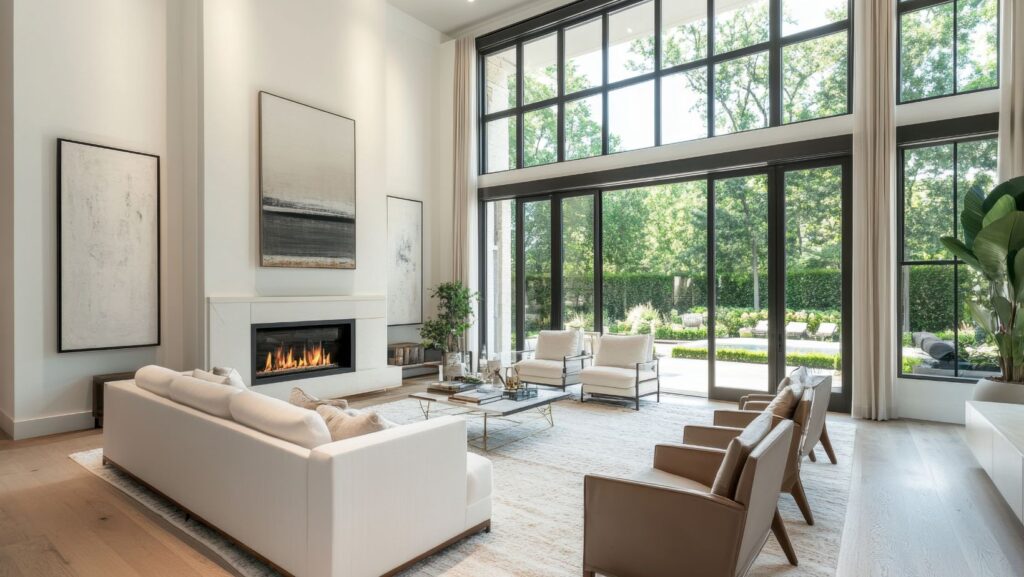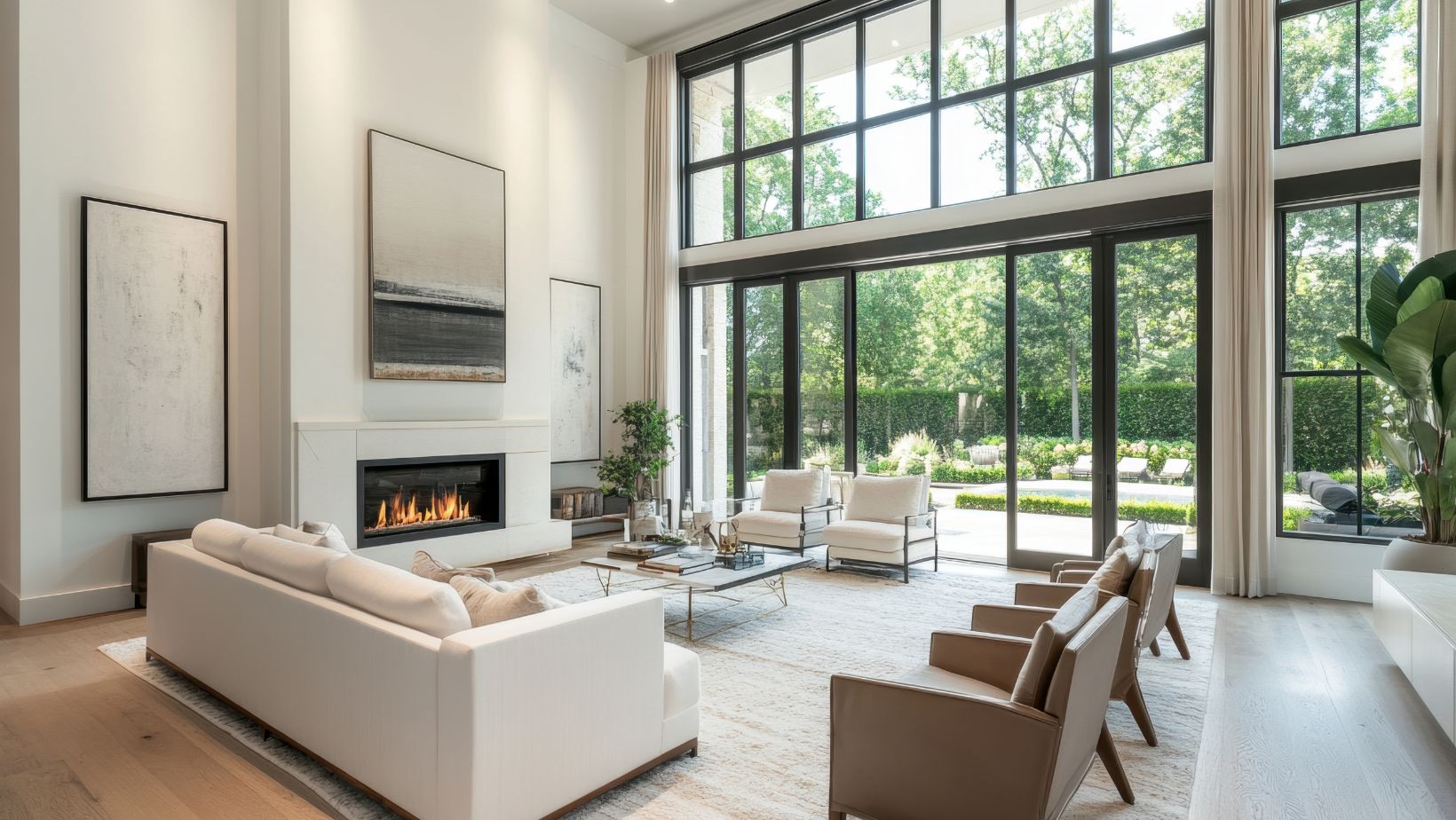
Creating a home that is both functional and beautiful can feel like a balancing act. How do you make sure your space is practical for daily life while also reflecting your personal style? The key lies in thoughtful planning, clever design choices, and a focus on both form and function. When done right, a well-designed living space can improve your comfort, enhance your mood, and make everyday tasks easier.
Understanding Your Space and Needs
Before picking out furniture or paint colors, it’s important to understand your space and your lifestyle. How many people live in the home? Do you often entertain guests, or do you value quiet spaces for work and relaxation? What activities take place in each room? Asking these questions helps determine the type of furniture, storage, and layout you need.
Consider the flow of movement through your home. A functional space allows people to move naturally from one area to another without obstruction. In small apartments, multifunctional furniture, such as storage ottomans or fold-out tables, can maximize utility without cluttering the space. Meanwhile, larger homes may benefit from zoned areas, clearly defining spaces for work, leisure, and socializing.
Prioritizing Functionality
Functionality is the backbone of any great living space. Start with essential furniture pieces that fit your lifestyle. In a living room, for instance, a comfortable sofa, practical coffee table, and sufficient seating for guests create a functional base. Avoid overfilling the room with decorative pieces that serve little purpose, as they can make the space feel cramped.
Storage solutions are crucial in keeping spaces organized and visually appealing. Built-in shelving, under-bed storage, or multipurpose furniture helps keep clutter at bay. Lighting also plays a functional role. Natural light enhances mood and energy, while well-placed task lighting ensures you can read, cook, or work comfortably. Dimmer switches offer flexibility, allowing you to adjust lighting to suit different activities and moods.
For furniture that combines style with practicality, consider investing in high-quality slipcovers. Companies like The Slipcover Company offer durable, elegant options that protect your pieces while giving them a fresh, customized look, making your space both functional and visually appealing.
Combining Aesthetics with Practicality
Once functionality is in place, focus on aesthetics. Choose a design style that resonates with your personality and complements your home’s architecture. From modern minimalism to cozy rustic, each style has elements that can enhance both beauty and usability.

Color palettes play a significant role in creating a cohesive look. Neutral tones often provide a versatile backdrop, allowing you to add personality with furniture, textiles, and artwork. Accent walls, patterned rugs, or colorful cushions can make a space feel lively without sacrificing functionality. Materials also impact both beauty and usability. Durable surfaces like hardwood floors, quartz countertops, and washable fabrics combine practicality with visual appeal.
Thoughtful Layout and Space Planning
A functional and beautiful space relies on thoughtful layout planning. Begin by identifying the focal points in each room, such as a fireplace, large window, or a statement piece of furniture. Arrange seating and other elements around these focal points to create balance and flow.
In multipurpose rooms, zoning can be highly effective. For example, in a combined living and dining area, a large rug can visually separate the seating area from the dining space. Clear pathways should remain unobstructed to maintain ease of movement. Flexibility is another important consideration. Modular furniture or movable partitions allow you to adapt the space as your needs change over time.
Personal Touches and Final Details
Finally, add personal touches that make the space feel like home. Artwork, photographs, plants, and decorative objects reflect your taste and create warmth. Keep in mind that less is often more; thoughtfully chosen pieces stand out more than cluttered displays.
Textures and layers also contribute to both comfort and visual interest. Soft throw blankets, plush rugs, and tactile fabrics make spaces inviting, while smooth finishes and reflective surfaces can make rooms feel larger and more open.
Conclusion
Designing living spaces that are both functional and beautiful requires a careful balance between practicality and aesthetics. By understanding your needs, prioritizing functionality, choosing a cohesive design style, planning layouts thoughtfully, and adding personal touches, you can create a home that is not only visually appealing but also enhances your daily life. A well-designed space should feel effortless, comfortable, and inspiring—a place where form meets function seamlessly.